


Common Challenges in Traditional MEP Design
How to use AI in MEP is becoming one of the most important questions for engineers, contractors, and BIM professionals. As construction projects become more complex, AI helps improve BIM coordination, automate repetitive tasks, reduce design errors, and support faster decision-making throughout the MEP workflow.
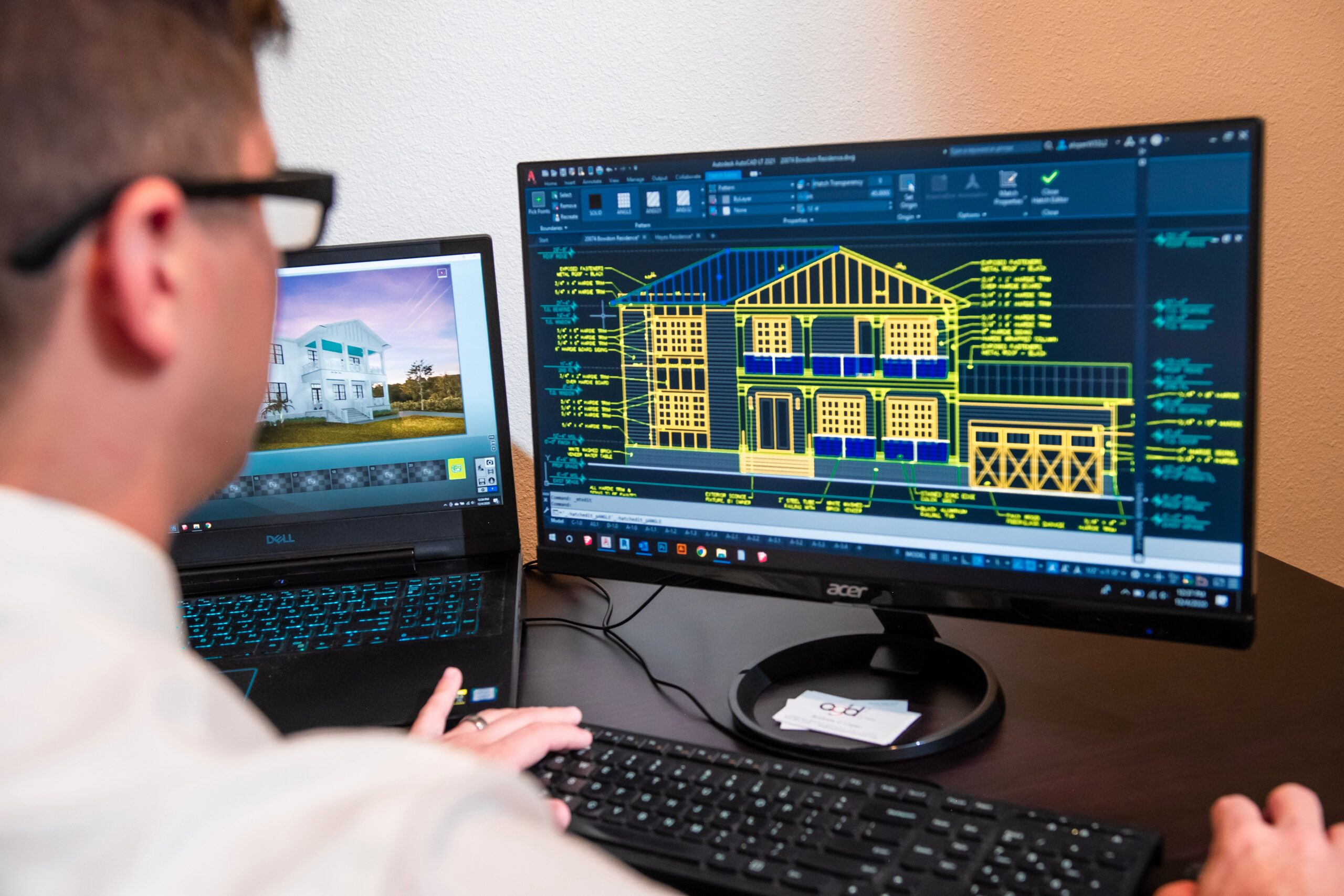
Before artificial intelligence became part of MEP workflows, engineers relied heavily on manual processes for design coordination, calculations, and clash detection. As construction projects became more complex, these traditional methods often resulted in design conflicts, repeated revisions, communication gaps between teams, project delays, and increased construction costs. Even experienced engineers could miss critical issues when working under tight deadlines.
Mechanical, electrical, and plumbing (MEP) work has always been a balancing act between precision and pressure. Deadlines are tight, coordination between trades is complicated, and a single missed clash can cost thousands of dollars once it reaches the field. That’s exactly why artificial intelligence is finding its way into MEP workflows so quickly.
This isn’t about replacing engineers or robotic arms installing ductwork. It’s about giving MEP professionals better tools to handle the repetitive, error-prone, and time-consuming parts of their job so they can focus on design quality and problem-solving. If you’re wondering how AI actually fits into the day-to-day reality of MEP work, this guide walks through it step by step.
How to Use AI in MEP: Step-by-Step Process
MEP systems generate enormous amounts of data load calculations, equipment schedules, drawings, specifications, and coordination models. Most of this data follows patterns, which is precisely the kind of structured, repetitive information that AI tools are good at processing.
Traditional MEP design also involves a lot of manual cross-checking. Engineers compare drawings across disciplines, verify code compliance by hand, and re-run calculations whenever a design changes. AI doesn’t eliminate this work, but it speeds up the parts that used to eat entire workdays, freeing engineers to spend more time on judgment calls that actually require human expertise.
Traditional MEP vs AI-Driven Workflows
| Traditional MEP | AI-Driven MEP |
|---|---|
| Manual clash detection | AI-assisted clash detection |
| Manual calculations | AI-supported calculations |
| Frequent design revisions | Intelligent design optimization |
| Higher risk of human error | Improved accuracy with AI assistance |
| Reactive maintenance | Predictive maintenance |
| Time-consuming documentation | AI-assisted documentation |
This comparison highlights how AI is transforming traditional MEP workflows by reducing manual effort, improving accuracy, and helping engineering teams make faster and smarter decisions.
How to Use AI in MEP for Clash Detection and Coordination
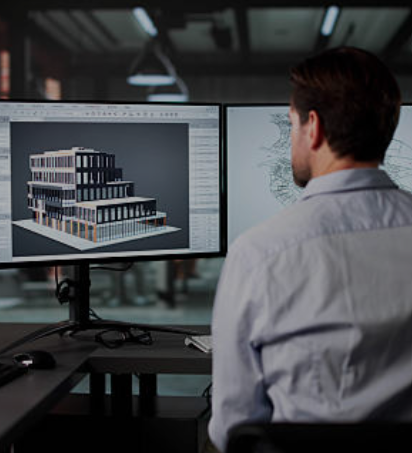
One of the most mature uses of AI in MEP is clash detection within Building Information Modeling (BIM) environments. Instead of manually scrolling through a federated model looking for pipe-duct-conduit conflicts, AI-assisted tools scan the model automatically and flag intersections that need attention.
What makes this smarter than traditional rule based clash detection is pattern recognition. Newer tools can learn from past projects to prioritize which clashes are likely to cause real field problems versus which ones are minor and easily resolved. This means coordination teams spend less time chasing false positives and more time solving conflicts that actually matter.
Some platforms also suggest possible reroutes for ductwork or piping based on available space, which used to require an engineer manually testing several options. That doesn’t mean the suggestions are always correct, but they give a starting point that speeds up decision-making.
How to Use AI in MEP in Real-World Projects
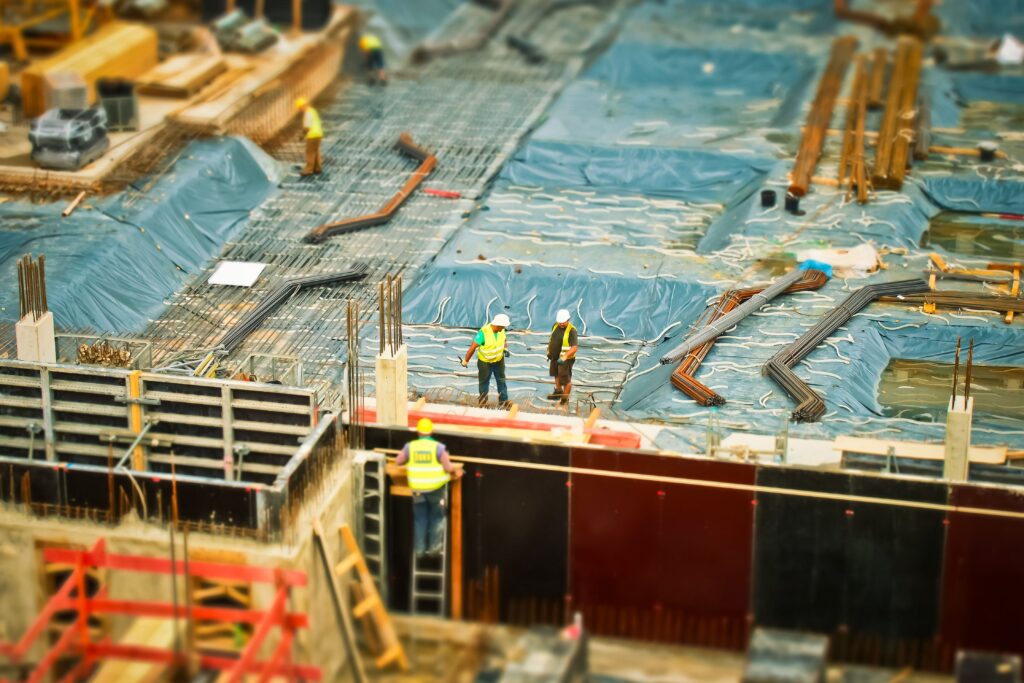
AI is no longer limited to research or experimental projects. Today, it is being used in hospitals, commercial buildings, airports, manufacturing facilities, and highrise developments to improve design quality and project coordination. By analyzing large volumes of project data, AI helps engineering teams identify design issues earlier, optimize system layouts, and reduce costly on-site changes.
For example, in healthcare facilities, AI supports the coordination of complex HVAC, medical gas, and electrical systems where even small design conflicts can lead to significant construction delays. In commercial and high-rise buildings, AI improves BIM coordination by detecting clashes before construction begins, helping teams reduce rework, save time, and deliver projects more efficiently.

Healthcare Facilities
Healthcare projects require highly accurate coordination between HVAC, medical gas, electrical, and plumbing systems. AI helps engineers detect clashes early, improve compliance, and reduce costly design changes before construction begins.
Commercial and High-Rise Buildings
Commercial buildings and high-rise projects contain thousands of interconnected MEP components. AI improves BIM coordination, optimizes system layouts, and minimizes rework by identifying conflicts before installation.
Manufacturing and Industrial Plants
AI helps engineers coordinate complex mechanical equipment, industrial piping, ventilation systems, and electrical infrastructure inside manufacturing facilities. By analyzing design models early, AI identifies potential conflicts before construction begins, improving installation accuracy, minimizing production downtime, and reducing expensive modifications during the project.
Airports and Transportation Hubs
Airports, railway stations, and transportation hubs contain highly integrated MEP systems that require precise coordination. AI improves the planning of HVAC, electrical distribution, fire protection, and communication systems by detecting clashes early, optimizing equipment placement, and supporting smoother project execution in large-scale infrastructure developments.
Data Centers
Modern data centers require reliable cooling systems, uninterrupted power distribution, and efficient cable management. AI assists engineers by optimizing cooling strategies, improving energy efficiency, predicting equipment failures, and supporting continuous operation of mission-critical facilities with minimal downtime.
Educational and Commercial Buildings
Schools, universities, office buildings, shopping malls, and mixed-use developments also benefit from AI-assisted MEP design. Intelligent design tools help optimize HVAC layouts, lighting systems, plumbing networks, and energy performance while improving coordination between architectural, structural, and MEP disciplines throughout the project lifecycle.
How to Use AI in MEP for Load Calculations and Energy Modeling
Load calculations are foundational to MEP design, but they’re also repetitive and sensitive to small input errors. AI-supported calculation tools can process building geometry, occupancy data, and equipment specs faster than manual methods, while flagging inconsistencies that might otherwise slip through.
Energy modeling has benefited even more. Predictive algorithms can run through dozens of design scenarios different insulation values, HVAC configurations, or glazing options in a fraction of the time a traditional simulation would take. This lets engineers compare energy performance outcomes early in the design phase, when changes are still cheap to make.
The value here isn’t just speed. It’s the ability to explore more design alternatives before committing to one, which often leads to more energy-efficient and cost-effective outcomes.
How to Use AI in MEP for Predictive Maintenance
Once a building is operational, AI shifts from a design tool to an operations tool. Sensors embedded in HVAC units, pumps, and electrical panels continuously feed data into monitoring systems. AI models analyze this data to detect early signs of equipment wear, unusual vibration patterns, or temperature anomalies.
This is a major shift from the traditional maintenance model, which relied on fixed schedules or reactive repairs after something broke. Predictive maintenance instead flags a failing bearing or a struggling compressor before it causes a shutdown, giving facility teams time to schedule repairs on their own terms rather than scrambling during an emergency.
For building owners, this translates into fewer unplanned outages, longer equipment lifespan, and lower long-term operating costs. For MEP contractors offering maintenance contracts, it opens the door to more proactive, data-driven service offerings.
How to Use AI in MEP for Drawing and Documentation
Producing construction documents is one of the least glamorous parts of MEP work, and also one of the most time-consuming. AI-assisted drafting tools can now generate initial duct or pipe routing layouts based on space constraints and system requirements, which engineers then refine rather than draft from scratch.
Specification writing is seeing similar support. Instead of manually pulling equipment data from multiple sources, some tools can auto-populate schedules and cut sheets based on selected equipment models, reducing transcription errors that often cause headaches during submittal review.
None of this eliminates the need for a licensed engineer’s oversight. But it does reduce the hours spent on tasks that add little engineering value, which matters when project timelines are already tight.
How to Use AI in MEP for Cost Estimation and Forecasting
Cost estimating in MEP has traditionally depended heavily on an estimator’s experience and historical project data stored in spreadsheets. AI-powered estimating tools now analyze historical bid data, material costs, and labor trends to generate more consistent cost forecasts.
This is particularly useful for early-stage budgeting, when a full design isn’t ready but stakeholders need a realistic number to plan around. AI models can extrapolate from similar past projects to produce a range that’s more grounded than a rough guess, though it still requires an experienced estimator to validate assumptions and account for site-specific conditions.
Material price volatility has made this even more valuable in recent years. Tools that track pricing trends can alert estimators to potential cost spikes before they blow a budget, giving project teams a chance to adjust specifications or timing.
Best AI Tools to Use in MEP
As AI adoption continues to grow, many software platforms now include intelligent features that help engineers improve design accuracy, automate repetitive tasks, and enhance project coordination. Rather than replacing existing BIM workflows, these tools work alongside engineers to increase productivity and support better decision-making throughout the project lifecycle.
- Autodesk Revit – AI-assisted BIM modeling and design automation.
- Autodesk Forma – Early-stage building analysis and design optimization.
- Navisworks Manage – AI-supported clash detection and coordination.
- BIM 360 / Autodesk Construction Cloud – Project collaboration and document management.
- Microsoft Copilot – Assists with documentation, reports, and project communication.
- ChatGPT – Supports technical documentation, code explanations, workflow planning, and content generation
The best AI solution depends on a firm’s workflow, project size, and software ecosystem. Most organizations begin by adopting AI features within tools they already use before investing in dedicated AI platforms.
How to Use AI in MEP During Construction and Installation
AI’s role isn’t limited to the design office. On the construction site, mobile apps increasingly use AI to help field crews verify installations against the design model. Workers can point a device camera at installed ductwork or piping, and image recognition tools compare it against the model to flag deviations early.
This kind of real-time verification catches installation errors before they’re buried behind drywall or ceiling tiles, which is exactly when mistakes become expensive to fix. It also reduces the back-and-forth between field teams and engineers that used to happen through phone calls and marked-up drawings.
Progress tracking has improved too. Some platforms use photo or video capture combined with AI analysis to estimate installation completion percentages automatically, which helps project managers track schedules more accurately than manual site walks alone.
How to Start Using AI in MEP: A Practical Approach
Adopting AI in MEP doesn’t require an all-at-once overhaul. Most successful implementations start small, usually with clash detection or energy modeling, since these have the clearest and most measurable returns.
From there, teams typically expand into predictive maintenance or estimating tools once they’ve built confidence in how AI outputs perform against real project outcomes. It helps to treat early AI-generated results as recommendations to be checked, not final answers, until your team has enough experience to calibrate trust appropriately.
Training matters more than most firms expect. Engineers and technicians need to understand not just how to use these tools, but also their limitations recognizing when a tool’s suggestion doesn’t account for a site-specific constraint it wasn’t trained on.
Common Challenges to Expect
Data quality is the biggest obstacle most firms run into. AI tools are only as good as the data feeding them, and many MEP firms still rely on inconsistent file formats, outdated equipment libraries, or incomplete building models. Cleaning up this data before adopting AI tools often delivers as much value as the tools themselves.
Integration with existing software is another common hurdle. Not every AI tool plays nicely with every BIM platform or project management system, so it’s worth checking compatibility carefully before committing budget to a new solution.
There’s also a learning curve on the human side. Engineers who’ve spent years trusting their manual calculations may be skeptical of AI-generated outputs, and that skepticism is often healthy in the early stages. Building trust takes time, verified results, and a willingness to treat AI as an assistant rather than an authority.
The Future of AI in MEP
The trajectory in MEP is toward tighter integration between design, construction, and operations data. As more buildings get instrumented with sensors and more projects get modeled digitally from the start, AI tools will have richer datasets to learn from, which should make their recommendations more reliable over time.
That said, MEP work will likely always require human judgment for the parts of the job that involve local code interpretation, client-specific requirements, and unusual site conditions that don’t fit neat patterns. The realistic expectation isn’t a fully automated MEP industry, but one where engineers spend less time on repetitive tasks and more time on the decisions that actually need their expertise.
Frequently Asked Questions
How do engineers use AI in MEP projects?
Engineers use AI in MEP projects for BIM coordination, clash detection, load calculations, energy modeling, predictive maintenance, cost estimation, and documentation. AI automates repetitive tasks and provides data-driven insights, allowing engineers to focus on design quality, code compliance, and complex engineering decisions.
What’s the easiest starting point for a firm new to AI in MEP?
Clash detection within BIM software is usually the easiest entry point, since it has a clear, measurable benefit and doesn’t require a major workflow overhaul.
Can AI accurately predict equipment failures before they happen?
Predictive maintenance tools can identify early warning signs like unusual vibration or temperature patterns, but accuracy depends heavily on sensor quality and how much historical data the system has to learn from.
Is AI-based cost estimating reliable enough to replace traditional estimators?
Not entirely. AI-generated estimates work best as a starting reference point that experienced estimators then refine based on project-specific factors AI models may not fully capture.
Do small MEP firms need expensive software to start using AI?
Not necessarily. Many BIM and estimating platforms already include AI-assisted features as part of existing subscriptions, so firms may already have access to basic tools without additional investment.
How long does it typically take a team to get comfortable using AI tools in MEP workflows?
This varies by firm, but most teams need several projects’ worth of hands-on use before they fully trust AI outputs and understand where the tools tend to fall short.
Conclusion
Learning how to use AI in MEP is no longer optional for engineering firms that want to stay competitive. By combining AI with human expertise, engineers can improve BIM coordination, reduce costly rework, optimize energy performance, and deliver projects more efficiently. While AI enhances productivity, licensed engineers remain responsible for final decisions, code compliance, and project quality.
Organizations that start using AI today will gain a significant advantage in project delivery, design accuracy, and operational efficiency. However, successful implementation depends on combining AI capabilities with the knowledge and experience of skilled MEP engineers. The best results come from using AI as a decision-support tool rather than a replacement for engineering expertise.
As AI continues to evolve, firms that embrace these technologies will be better positioned to deliver higher-quality, more sustainable, and cost-effective projects. By combining engineering expertise with AI-driven workflows, MEP professionals can meet growing project demands while staying competitive in an increasingly digital construction industry.
