


Introduction
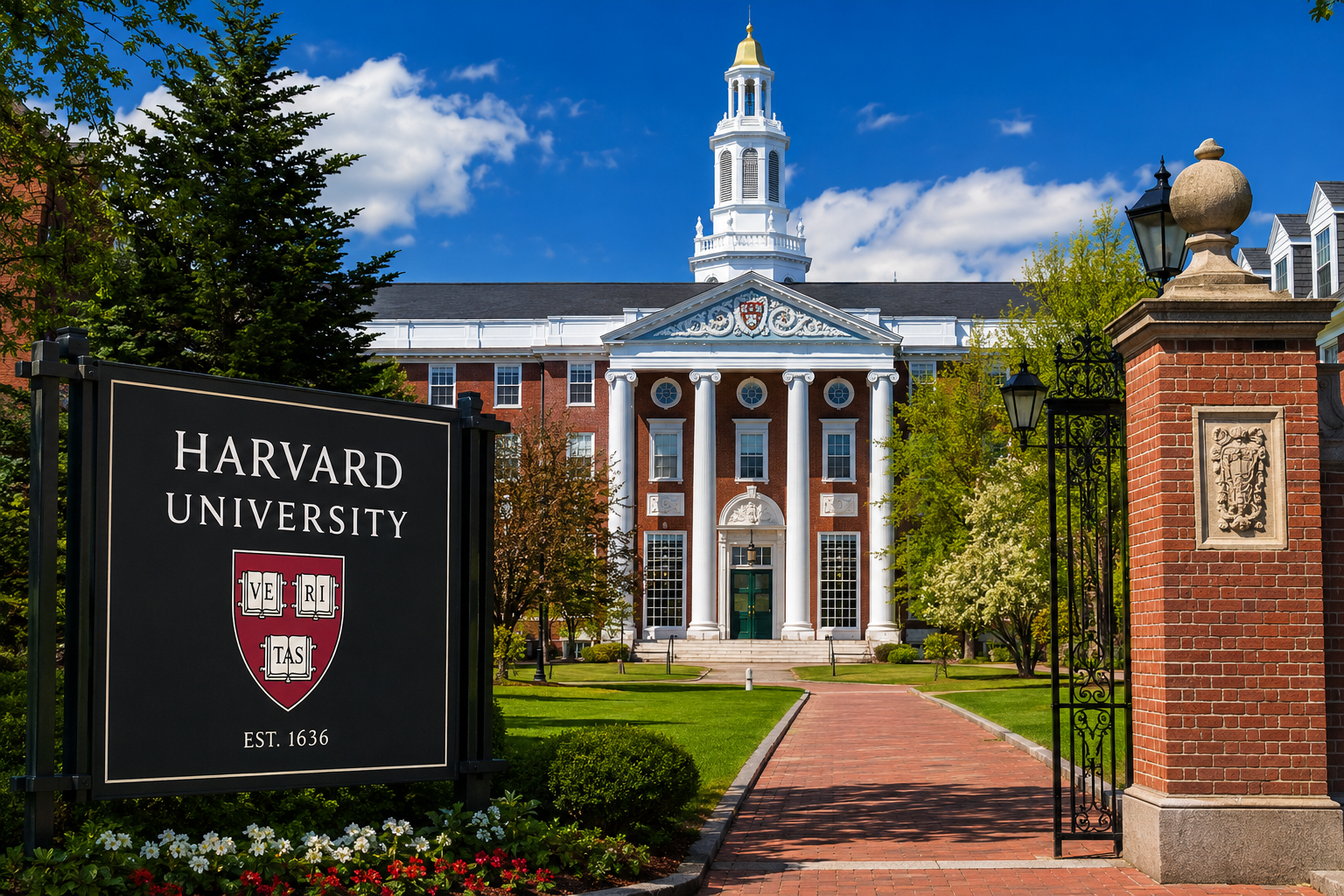
Harvard University is one of the most prestigious educational institutions in the world. Founded in 1636, Harvard has built a reputation for academic excellence, groundbreaking research, and influential alumni. Located in Cambridge, Massachusetts, Harvard University attracts students from every corner of the globe who seek world-class education and opportunities for personal and professional growth.
As the oldest institution of higher education in the United States, Harvard University has played a significant role in shaping modern education. From producing Nobel Prize winners and world leaders to pioneering innovative research, the university continues to set standards for academic achievement and intellectual development.
This comprehensive guide explores Harvard University’s history, academic programs, admissions process, campus life, research contributions, and global influence.
History of Harvard University
Harvard University was established in 1636 by the Massachusetts Bay Colony. It was named after John Harvard, a young minister who donated his library and a substantial portion of his estate to the institution.
Over the centuries, Harvard University evolved from a small college focused primarily on religious education into a global center for learning and research. The university has consistently adapted to changing educational needs while maintaining its commitment to academic excellence.
Today, Harvard University stands as a symbol of higher education and intellectual leadership worldwide.
Why Harvard University Is Famous
Several factors contribute to the worldwide reputation of Harvard University:
Academic Excellence
Harvard consistently ranks among the top universities globally. Its rigorous academic standards and distinguished faculty attract some of the brightest students and scholars.
Influential Alumni Harvard University
Harvard University has educated numerous influential individuals, including:
- U.S. Presidents
- Nobel Prize winners
- Business leaders
- Scientists
- Authors
- Entrepreneurs
Notable alumni include Barack Obama, John F. Kennedy, Mark Zuckerberg, Bill Gates (who attended but did not graduate), and many others.
Research Leadership
The university is known for producing groundbreaking research across multiple disciplines, including medicine, technology, economics, law, and public policy.
Academic Structure of Harvard University
Harvard University consists of several schools and faculties that offer undergraduate, graduate, and professional education.
Harvard College
Harvard College is the undergraduate division of Harvard University. Students can choose from a wide range of majors in:
- Humanities
- Social Sciences
- Natural Sciences
- Engineering
- Mathematics
Harvard Business School
Harvard Business School is globally recognized for its MBA program and case-study teaching method. Many business executives and entrepreneurs have graduated from this prestigious institution.
Harvard Law School
Harvard Law School is among the most respected law schools worldwide. It has produced numerous judges, attorneys, politicians, and legal scholars.
Harvard Medical School
Harvard Medical School is renowned for medical education, clinical training, and healthcare research.
Harvard Kennedy School
The Harvard Kennedy School focuses on public policy and leadership development for future government and nonprofit leaders.
Harvard Graduate School of Education
This school prepares educators and researchers dedicated to improving educational systems worldwide.
Admission Process at Harvard University
Admission to Harvard University is highly competitive. Every year, thousands of students apply, but only a small percentage receive acceptance offers.
Undergraduate Requirements
Applicants typically need:
- Excellent academic records
- High GPA
- Strong extracurricular activities
- Leadership experience
- Personal essays
- Recommendation letters
Standardized Tests
While admissions policies may vary, students should review current requirements regarding SAT, ACT, and other testing standards.
Holistic Review
Harvard University evaluates applicants using a holistic approach. Admissions officers consider:
- Academic achievement
- Personal character
- Leadership potential
- Community involvement
- Unique talents and experiences
Harvard University Programs and Courses
Harvard University offers hundreds of programs across multiple disciplines.
Popular Fields of Study
Some of the most popular academic areas include:
Computer Science
Students learn software development, artificial intelligence, machine learning, and data science.
Economics
Harvard’s economics department is one of the strongest in the world.
Political Science
Students study government systems, international relations, and public policy.
Biology
Harvard University provides advanced biological science education supported by extensive research opportunities.
Engineering
Engineering students benefit from cutting-edge laboratories and interdisciplinary projects.
Research Opportunities
Research is a cornerstone of Harvard University.
Major Research Areas
Researchers work on:
- Artificial Intelligence
- Climate Change
- Public Health
- Medicine
- Genetics
- Quantum Computing
- Economics
- Social Sciences
Students often participate in research projects alongside faculty members, gaining valuable practical experience.
Harvard University Libraries
Harvard University operates one of the largest academic library systems in the world.
Extensive Collections
The library system contains:
- Millions of books
- Historical manuscripts
- Digital archives
- Research journals
- Rare collections
Students and scholars have access to extensive resources that support advanced learning and research.
Campus Life at Harvard University
Harvard University offers a vibrant and diverse campus experience.
Student Organizations
Students can participate in:
- Academic clubs
- Cultural organizations
- Volunteer groups
- Entrepreneurship programs
- Debate societies
Residential System
Most undergraduate students live in residential houses that foster community, mentorship, and academic collaboration.
Athletics
Harvard University competes in NCAA Division I sports and is a member of the Ivy League.
Popular sports include:
- Basketball
- Football
- Soccer
- Rowing
- Tennis
- Swimming
International Students at Harvard University
Harvard University welcomes students from more than 150 countries.
Global Diversity
International students enrich campus life by contributing diverse perspectives and experiences.
Support Services
The university provides:
- Academic advising
- Visa assistance
- Career counseling
- Language support
- Cultural integration programs
Financial Aid and Scholarships
One of the most attractive features of Harvard University is its commitment to financial accessibility.
Need-Based Financial Aid
Harvard provides substantial financial assistance to eligible students.
Affordability
Many students receive grants that significantly reduce educational costs. Harvard aims to ensure that talented students can attend regardless of financial background.
Harvard University Online Learning
Harvard has expanded access to education through online learning platforms.
Digital Courses
Students worldwide can enroll in courses covering:
- Programming
- Data Science
- Business
- Literature
- Health Sciences
- Artificial Intelligence
These programs allow learners to benefit from Harvard-quality education remotely.
Career Opportunities After Graduation
Graduates of Harvard University enjoy strong career prospects.
Employment Benefits
Harvard alumni often gain access to:
- Global professional networks
- Prestigious internships
- High-paying career opportunities
- Leadership positions
Industries Hiring Harvard Graduates
Graduates frequently work in:
- Technology
- Finance
- Healthcare
- Government
- Education
- Consulting
- Entrepreneurship
Harvard University’s Global Impact
Harvard University influences society through research, innovation, and leadership development.
Contributions to Science
Harvard researchers have contributed to major scientific discoveries in medicine, biology, and technology.
Public Policy Influence
Experts from Harvard University frequently advise governments, international organizations, and policymakers.
Entrepreneurship
Many successful startups and businesses have roots in the Harvard community.
Harvard University Rankings
Harvard University consistently appears among the world’s leading institutions.
Ranking Factors
Its strong rankings are driven by:
- Academic reputation
- Research output
- Faculty excellence
- Graduate employability
- International influence
These achievements reinforce Harvard University’s position as a global educational leader.
Challenges of Attending Harvard University
Although Harvard University offers exceptional opportunities, students may face challenges such as:
- Intense academic workload
- Competitive environment
- Time management demands
- High expectations
However, the university provides extensive support services to help students succeed.
The Future of Harvard University
Harvard University continues to invest in innovation, research, and global collaboration.
Future priorities include:
- Expanding technological research
- Addressing climate challenges
- Improving healthcare solutions
- Enhancing educational accessibility
- Strengthening global partnerships
These initiatives ensure Harvard remains at the forefront of higher education.
Conclusion
Harvard University represents excellence in education, research, and leadership. With a rich history dating back to 1636, the institution has shaped generations of scholars, innovators, and leaders. Its world-class academic programs, distinguished faculty, cutting-edge research, and diverse student community make it one of the most respected universities on the planet.
Whether students are interested in business, law, medicine, engineering, science, or the humanities, Harvard University provides unparalleled opportunities for learning and personal growth. Its commitment to academic excellence and global impact continues to inspire students and educators worldwide, securing its place as one of the most influential educational institutions in history.
