


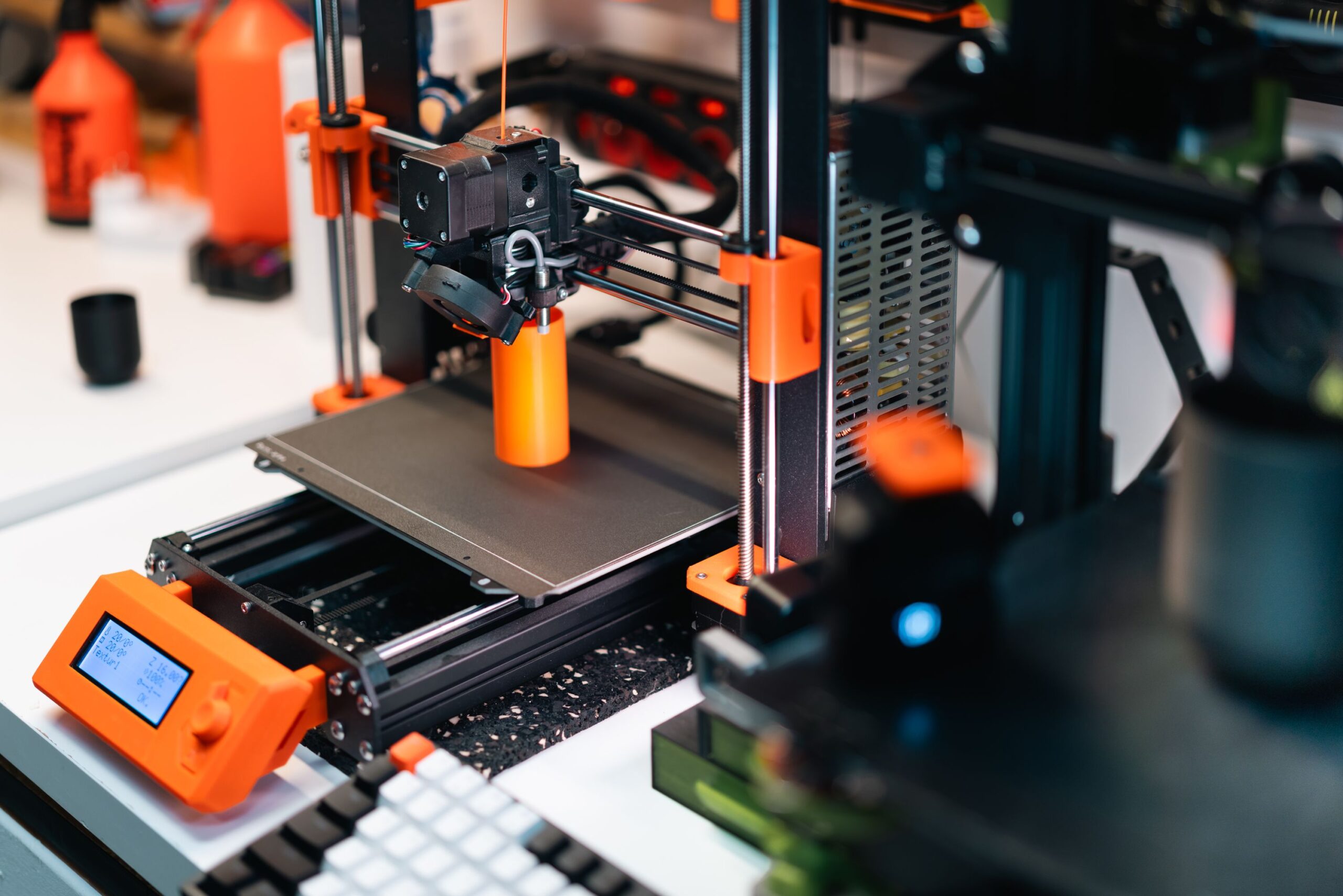
Introduction
Search interest in tools like BytePilot Pro reflects a broader shift happening across the tech world right now. People and businesses are looking for smarter, faster ways to handle repetitive digital tasks from data processing to workflow automation to everyday productivity work. Names like BytePilot Pro tend to surface in this exact context.
BytePilot Pro represents a new generation of productivity software designed to help users automate repetitive tasks, organize digital workflows, and improve overall efficiency. This guide explores its core capabilities, practical applications, benefits, and future potential in 2026., and there isn’t a single widely documented, standardized version of “BytePilot Pro” with confirmed specifications. So rather than guessing at features or making claims that can’t be backed up, this article focuses on what a tool in this category typically does, why this kind of software has become popular, and how to evaluate one properly before relying on it.
Understanding the “Pilot” Naming Trend
If you’ve noticed a growing number of tech products using the word “pilot” in their names, you’re not imagining things. This naming pattern has become common across software tools designed to assist users rather than fully replace human decision making.
The word choice is intentional. A pilot guides and navigates, but doesn’t necessarily do all the work alone. Tools branded this way are usually positioned as assistants something that helps you get through tasks faster, reduces manual effort, and supports better decisions, while the person using it stays in control.
This branding trend has become especially common in software tied to data handling, automation, coding assistance, and business intelligence. It signals to potential users that the tool is meant to be a helpful companion in a workflow, not an autonomous replacement for human oversight.

Key Features of BytePilot Pro
Software positioned as a “pilot” or productivity assistant generally centers around a few consistent goals, even though the specific implementation varies from one product to another.
Task Automation
Automation of repetitive tasks is usually front and center. Whether it’s processing spreadsheets, organizing files, generating reports, or handling routine data entry, the goal is to remove tedious manual work from a person’s plate so they can focus on higher-value tasks.
Data Organization
Data organization and analysis often play a role as well. Many tools in this space help users make sense of large volumes of information by sorting, categorizing, or visualizing it in ways that are easier to interpret than raw spreadsheets or scattered files.
Workflow Integration
Workflow integration tends to matter a lot too. A useful assistant style tool typically connects with other software people already use email platforms, project management systems, cloud storage, or business databases rather than existing as an isolated application.
User-Friendly Interface
Finally, a user-friendly interface is usually a priority. Since these tools are aimed at reducing complexity, not adding to it, ease of use tends to be a major selling point across this entire category of software.

Why Businesses and Individuals Are Drawn to These Tools
The appeal of productivity and automation tools isn’t just about convenience it comes down to time and cost. Manual processes are slow, prone to human error, and often require dedicated staff hours that could be spent elsewhere.
For small businesses in particular, tools like these can level the playing field. Instead of hiring additional staff purely to manage repetitive administrative tasks, a well designed assistant tool can absorb some of that workload, freeing existing employees for more strategic responsibilities.
For individual professionals freelancers, consultants, or remote workers the appeal is similar but on a personal scale. Managing client data, tracking projects, and organizing information across multiple platforms becomes far less overwhelming with the right supporting software.
Larger organizations often adopt these tools to standardize processes across teams. When automation and organization tools are integrated properly, it becomes easier to maintain consistency, even as a company scales and adds more employees or departments.
Benefits of BytePilot Pro
- Improves productivity
- Saves time
- Reduces repetitive work
- Supports workflow automation
- Improves collaboration
- Helps organize business data
- Scales with business growth
By combining automation, intelligent workflows, and better data organization, BytePilot Pro helps businesses work more efficiently while reducing manual effort and improving overall productivity.
Real-World Applications of BytePilot Pro
How to Evaluate a Productivity Tool Before Adopting It
Given how many tools in this space exist, and how quickly new ones appear, it’s worth having a clear evaluation process rather than choosing based on branding alone.
Start by identifying the actual problem you’re trying to solve. Are you dealing with disorganized data, repetitive manual tasks, poor team communication, or something else entirely? A tool that’s excellent at automation may not help much if your core issue is actually data security or team coordination.
Next, look closely at integration capabilities. A tool that can’t connect with the software you already rely on daily creates more friction than it removes. Compatibility with your existing systems should be a non negotiable factor in your decision.
External Link
Security and data handling practices deserve serious attention as well. Any tool that processes or stores business or personal data should have clear, transparent policies about how that information is protected, stored, and used.
Finally, consider the learning curve. A tool that promises to save time but requires weeks of training to use effectively may not deliver the efficiency gains you’re expecting, especially for smaller teams without dedicated technical support. If you’re also looking for secure document management solutions, our SecureByte Vault guide explains how modern security tools help protect sensitive digital information.
Common Misconceptions About Automation and Assistant Tools
There’s a fair amount of confusion surrounding tools in this space, and clearing up a few misconceptions can help set realistic expectations.
One common misunderstanding is that these tools operate with zero oversight. In most cases, well-designed assistant tools are meant to support human decision-making, not eliminate it entirely. Reviewing outputs and maintaining some level of manual oversight is still important, especially for critical business decisions.
Another misconception is that more features automatically mean better value. A tool packed with functionality you don’t actually need can end up being more complicated and expensive than a simpler solution tailored to your specific workflow.
There’s also a tendency to assume that adopting a new tool will instantly transform productivity. In reality, meaningful efficiency gains usually take time, proper setup, and adjustment as teams learn how to use the software effectively within their existing processes.
Practical Steps for Getting Value From This Type of Software
Simply installing a productivity or automation tool isn’t enough to see real results. A structured approach makes a noticeable difference in outcomes.
Begin with a small, specific use case rather than trying to overhaul your entire workflow at once. Testing the tool on one repetitive task like organizing incoming data or automating a routine report gives you a clear, measurable way to judge its effectiveness before expanding usage.
Document what changes once the tool is in place. Are tasks genuinely taking less time? Has accuracy improved? Are team members actually using it consistently, or reverting to old habits? Honest tracking prevents you from continuing an investment that isn’t delivering real value.
Involve the people who will actually use the tool daily in the evaluation process. Decisions made purely at a management level, without input from the employees handling day-to day tasks, often lead to underused or poorly adopted software.
Revisit your setup periodically. As your business or personal workflow evolves, the way you use any productivity tool should evolve with it. What worked during initial adoption may need adjustment six months or a year down the line.

The Bigger Picture: Why This Category Keeps Growing
The rise of tools branded as digital assistants, copilots, or productivity aids reflects a genuine shift in how people work. Manual, repetitive processes are increasingly seen as unnecessary friction rather than an unavoidable part of doing business.
Future of BytePilot Pro
At the same time, this growth has led to a crowded marketplace, with many products claiming similar benefits. This makes careful research and realistic expectations more important than ever before committing time or budget to any specific solution.
The most successful adoption of these tools tends to happen when organizations treat them as one part of a broader strategy not a magic fix. Combined with clear processes, proper training, and consistent use, automation and assistant-style software can meaningfully improve efficiency and reduce the burden of repetitive work.
Final Thoughts
Names like BytePilot Pro represent a growing category of software built around a simple but powerful idea: reduce manual effort, organize information more effectively, and support better decision making through automation. Whether you’re an individual professional or part of a larger organization, the core value proposition of these tools remains consistent.
Internal Link
That said, due diligence matters. Before adopting any tool in this space, take the time to understand exactly what problem you’re solving, how well it integrates with your existing systems, and what security and support standards it maintains. Approached thoughtfully, this category of software can genuinely simplify how you work but only when chosen and implemented with clear intention.Businesses can also explore our FileMatrix Pro guide to learn how modern document management solutions complement productivity software.Businesses looking to improve document organization and workflow efficiency can also explore our FileMatrix Pro guide for additional insights into modern business productivity solutions.
That said, due diligence matters. Before adopting any tool in this space, take the time to understand exactly what problem you’re solving, how well it integrates with your existing systems, and what security and support standards it maintains. Approached thoughtfully, this category of software can genuinely simplify how you work but only when chosen and implemented with clear intention.
Businesses looking to improve document organization and workflow efficiency can also explore our FileMatrix Pro guide for additional insights into modern business productivity solutions.
Frequently Asked Questions (FAQs)
1. What kind of tasks do productivity assistant tools usually handle?
They typically focus on automating repetitive work, organizing data, generating reports, and integrating with other software you already use, reducing manual effort across daily workflows.
2. Are these tools suitable for individuals, or only businesses?
Both. Freelancers and individual professionals often use them to manage client information and personal workflows, while businesses use them to standardize processes across teams.
3. Do I need technical skills to use a tool like this effectively?
Most modern productivity tools are built with non-technical users in mind, though some setup and a short learning period are usually necessary to get full value from the software.
4. How do I know if a productivity tool is actually improving my workflow?
Track measurable changes such as time saved on specific tasks, reduced errors, and consistent usage by your team, rather than relying on assumptions about efficiency gains.
5. Is data security a concern with these types of tools?
Yes. Any tool that processes or stores sensitive data should have clear, transparent policies on data handling, and this should be a key factor in your evaluation process.
6. Should I fully replace manual processes with an automation tool right away?
It’s generally safer to test the tool on a specific, smaller task first, evaluate the results, and expand usage gradually rather than overhauling your entire workflow immediately.
